
HOA Common Area Maintenance Florida: Know the Law
HOA Common Area Florida Law Every Homeowner Must Know
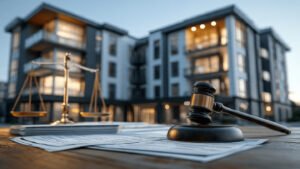
HOA common area Florida law protects every homeowner in the state. Furthermore, associations carry specific legal maintenance obligations under Florida law. Consequently, neglecting shared spaces creates serious legal liability for every board. Every owner deserves to understand these rights completely. Knowledge is the foundation of every successful legal outcome.
Because Florida Statutes Chapter 720 governs association maintenance duties precisely, understanding it matters enormously. Therefore, AR Law Group represents homeowners experiencing common area neglect throughout Florida. Additionally, the firm holds negligent associations fully accountable for every failure they cause. Clients receive aggressive, dedicated legal representation from the very first consultation.
What Qualifies as a Common Area
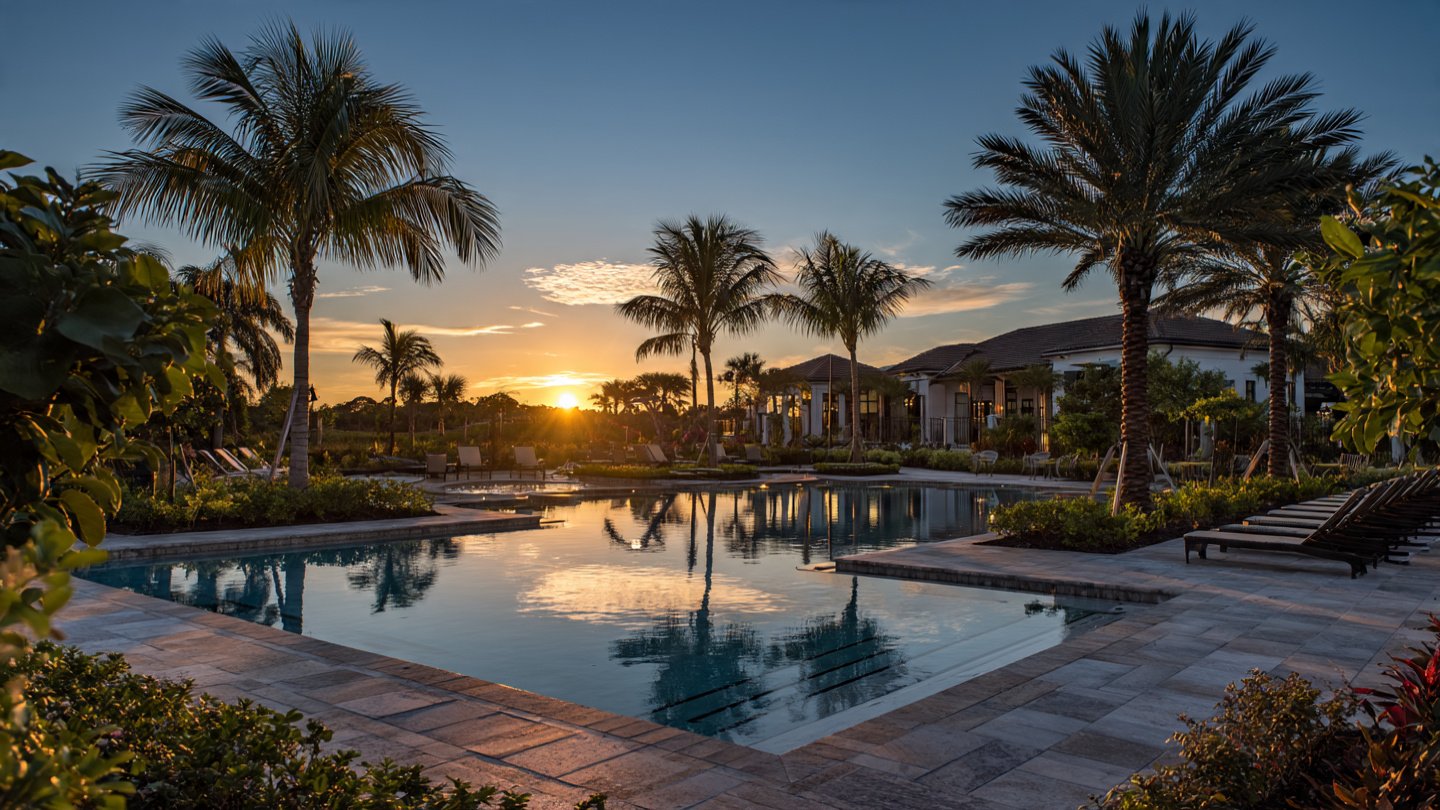
Florida law defines common areas as collectively owned association property. Moreover, swimming pools, walkways, parking areas, and clubhouses typically qualify as common areas. As a result, the association bears full legal maintenance responsibility for every shared space it controls. Individual owners bear no responsibility for these collectively owned areas.
Furthermore, each community’s Declaration defines its specific common areas precisely and completely. Because that definition determines every association maintenance obligation exactly, reviewing it carefully matters. Therefore, every homeowner should know which areas their association legally controls and maintains. AR Law Group reviews every Declaration carefully before advising on any common area dispute. That review forms the foundation of every legal strategy.
The Association’s Legal Maintenance Obligations
Florida associations must keep every common area safe and properly maintained. Additionally, known hazards must receive prompt attention without exception. Furthermore, ignoring reported hazards creates heightened legal liability for negligent boards immediately. Boards that delay addressing known problems face the most serious legal exposure.
Because Florida premises liability law holds property controllers responsible for known hazards, associations face serious consequences. Therefore, homeowners injured due to common area neglect have strong legal claims available. Most importantly, documented knowledge of the hazard before any injury strengthens every claim significantly. AR Law Group builds every case on that critical factual foundation. Evidence of prior notice changes every legal outcome.
When Associations Fail Their Maintenance Obligations
HOA common area Florida maintenance failures take many recognizable forms. Additionally, deteriorating pools, broken lighting, and damaged walkways each generate significant legal liability. Furthermore, neglected entry features and security systems affect every owner’s safety simultaneously. Property values suffer when common areas fall into visible disrepair.
Because underfunded reserves produce compounding maintenance failures over time, financial management matters enormously. Therefore, boards deferring maintenance consistently to avoid special assessments breach their fiduciary duties. Similarly, chronic neglect signals deeper governance failures requiring immediate legal attention and intervention. As a result, AR Law Group pursues every available legal remedy against negligent boards without hesitation. Every affected owner deserves full accountability from their association.
Homeowner Remedies for Common Area Neglect
Florida law provides meaningful legal remedies for every affected homeowner. Moreover, formal written complaints to the board create essential legal records immediately. Furthermore, Florida’s mandatory dispute resolution process resolves certain disputes before costly litigation becomes necessary. Early legal action always produces better outcomes than prolonged delay.
Because proper written notice removes the association’s most significant legal defenses, sending it correctly and promptly matters. Therefore, every homeowner should document every problem thoroughly and notify the board in writing immediately. Similarly, retaining copies of every communication creates an unassailable record supporting every subsequent legal action. As a result, AR Law Group helps every client build the strongest possible factual foundation first. Preparation consistently produces better outcomes than reactive legal action taken without documentation.
Steps for Addressing HOA Common Area Maintenance Failures
- Document every maintenance failure with photographs, videos, written descriptions, and precise dates immediately upon discovering any problem.
- Submit a formal written complaint to the board identifying every specific deficiency and requesting immediate corrective action in writing.
- Keep copies of every communication with the association including all responses, acknowledgments, and follow up correspondence received.
- Request the association’s maintenance records, reserve study, and financial statements through your official records access rights under Florida law.
- Consult AR Law Group immediately if the association fails to respond adequately to your documented and formally submitted maintenance complaints.
- Participate in mandatory dispute resolution proceedings with AR Law Group’s representation before pursuing any litigation against the association.
- Pursue all available legal remedies with AR Law Group including full compensation for property damage, personal injury, and diminished property values.
Key Takeaways
- HOA common area Florida law under Chapter 720 requires associations to maintain all shared spaces in safe and proper condition at all times.
- Common areas include swimming pools, walkways, parking areas, clubhouses, and landscaping that the association owns and controls on behalf of all members.
- Florida premises liability law holds associations fully responsible for injuries caused by known hazardous conditions in every common area they control.
- Associations with chronically underfunded reserves face compounding maintenance failures that constitute a direct breach of every board member’s fiduciary duties.
- Written notice documenting every maintenance failure is essential to building every successful legal claim and eliminating the association’s primary legal defenses.
- Florida’s mandatory dispute resolution process provides a formal and efficient mechanism for resolving certain common area maintenance disputes before litigation.
- AR Law Group provides comprehensive legal representation to Florida homeowners pursuing every available remedy against associations that neglect their maintenance obligations.
Shared Spaces Demand Shared Accountability
Every Florida homeowner pays assessments specifically funding common area maintenance and upkeep. Furthermore, those payments create legally enforceable obligations that associations must honor completely. Consequently, associations collecting assessments while neglecting shared spaces breach both their contractual and statutory duties simultaneously. That breach demands immediate and decisive legal accountability from every affected owner.
Because AR Law Group approaches every HOA common area Florida matter with genuine dedication and precision, homeowners receive representation that truly holds associations accountable. Additionally, clear communication throughout every engagement ensures complete understanding of every available legal option. Moreover, informed homeowners act decisively rather than absorbing association neglect indefinitely and unnecessarily.
Above all, every Florida homeowner deserves legal representation enforcing HOA common area Florida obligations with precision, authority, and complete professional dedication. Contact AR Law Group today at 786-636-1001 or info@arlawgroupfl.com to hold your association fully accountable for every maintenance obligation it owes your community today.
Source Disclosure: All references to Florida HOA common area maintenance obligations are grounded in Florida Statutes Chapter 720 (Homeowners Association Act) and Florida premises liability law under Chapter 768 as published by the Florida Legislature at leg.state.fl.us. No competitor law firm websites were used as sources.