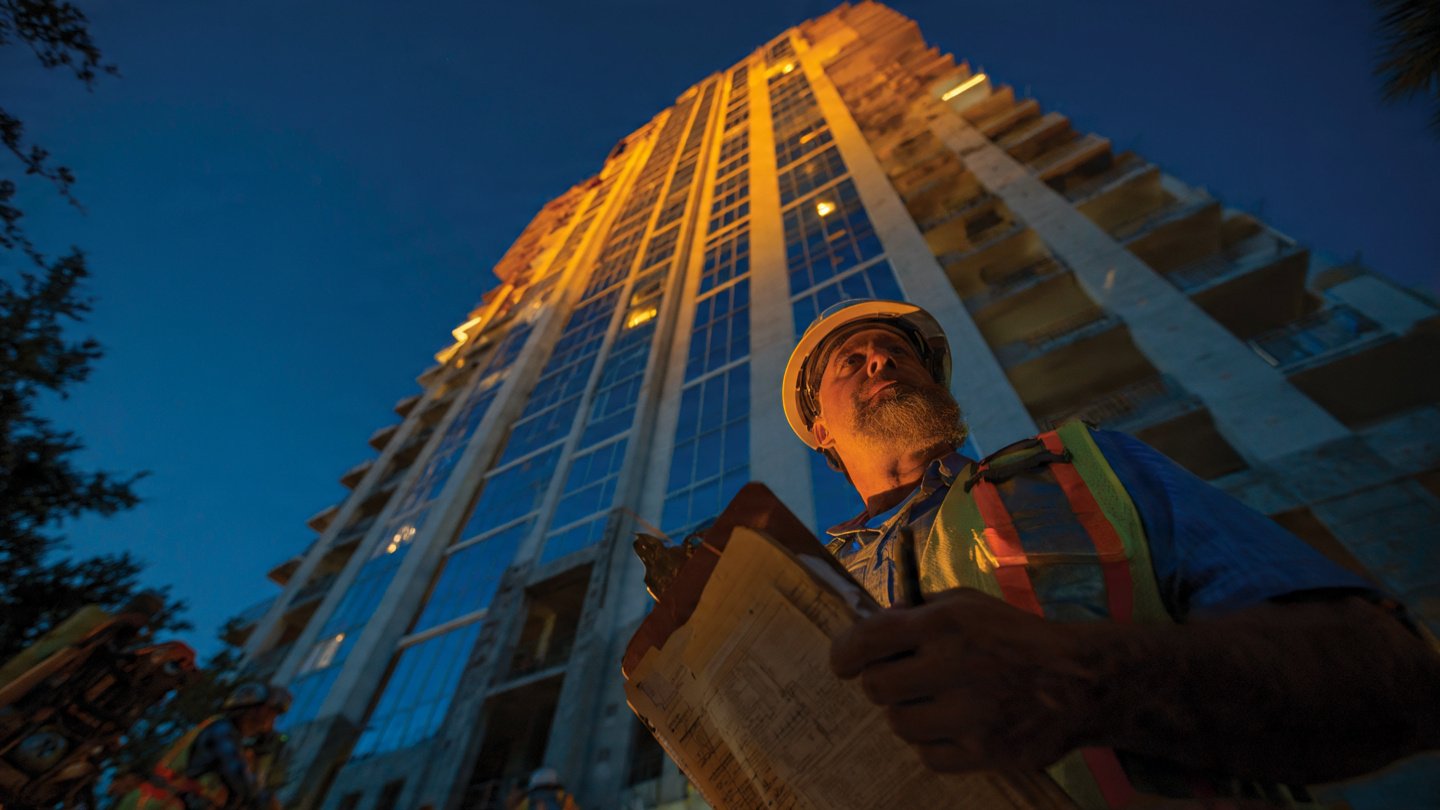

Florida Building Inspection Law 2026: What to Know
Florida Building Inspection Law 2026 Every Resident Must Understand
Florida building inspection law 2026 represents a permanent transformation of condominium safety requirements. Furthermore, the 2021 Surfside collapse made legislative inaction impossible to justify. Consequently, Florida enacted landmark milestone inspection requirements affecting every qualifying condominium building statewide. Every board member and every resident deserves to understand what these requirements demand completely.
Because Chapter 718 of the Florida Statutes now incorporates mandatory inspection provisions, understanding them protects every stakeholder. Therefore, AR Law Group provides comprehensive legal guidance on Florida building inspection law 2026 to associations and owners throughout the state. Additionally, the firm ensures every client understands exactly what compliance requires and when it applies to their specific building.
What Are Milestone Inspections
Milestone inspections are mandatory structural assessments required under Florida building inspection law 2026. Moreover, licensed engineers or architects must conduct every inspection without exception. As a result, associations cannot substitute internal assessments for statutorily required professional evaluations. Only qualified licensed professionals satisfy the legal requirement.
Furthermore, milestone inspections assess the structural integrity of every major building component. Because these assessments identify deterioration requiring immediate attention, their findings carry serious legal and financial implications. Therefore, associations receiving inspection reports identifying structural deficiencies must act on every finding promptly. AR Law Group advises associations on responding to every inspection finding with full legal compliance and strategic precision.
Which Buildings Must Comply
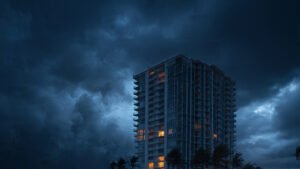
Florida building inspection law 2026 applies to all condominium buildings three stories or higher. Additionally, buildings reaching twenty-five years of age must complete their first milestone inspection immediately. Furthermore, buildings located within three miles of the coastline face a slightly different threshold requiring inspection at thirty years of age.
Because Florida’s coastline proximity rule affects thousands of Miami-Dade, Broward, and Palm Beach county buildings specifically, understanding which threshold applies to your building matters enormously. Therefore, every association board should determine their building’s applicable threshold immediately and without delay. Similarly, owners in buildings approaching these age thresholds should confirm their association has initiated the required inspection process. As a result, AR Law Group assists every client in identifying their specific compliance obligations under current Florida law.
Phase One and Phase Two Inspections
Florida building inspection law 2026 establishes a two phase inspection process. Moreover, Phase One involves a visual examination of the building’s structural components by a licensed professional. Furthermore, if Phase One identifies substantial structural deterioration, Phase Two requires a more detailed investigation of every identified concern.
Because Phase Two inspections trigger mandatory reporting obligations and potential regulatory action, understanding what triggers them matters. Therefore, associations that receive Phase One reports identifying substantial deterioration must proceed to Phase Two immediately. Most importantly, failing to proceed after a Phase One finding creates serious regulatory and civil liability exposure for every board member personally. AR Law Group guides associations through every phase of the inspection process with precision and urgency.
Legal Consequences of Non-Compliance
Non-compliance with Florida building inspection law 2026 carries serious consequences. Additionally, the Florida Department of Business and Professional Regulation oversees enforcement of these requirements. Furthermore, associations missing inspection deadlines face regulatory action that can affect the building’s occupancy status entirely.
Because individual board members face personal legal liability for non-compliance, understanding personal exposure matters enormously. Therefore, every board member should treat inspection compliance as their highest priority legal obligation. Similarly, unit owners in non-compliant buildings have legal remedies available to compel their association to act immediately. As a result, AR Law Group represents both associations seeking compliance guidance and owners demanding accountability from negligent boards.
Steps for Complying With Florida Building Inspection Law 2026
- Determine immediately whether your building meets the age and height thresholds triggering mandatory milestone inspection requirements under current Florida law.
- Engage a licensed engineer or architect to conduct the required Phase One milestone inspection before your applicable compliance deadline passes.
- Review all Phase One inspection findings carefully with AR Law Group before developing any board response or remediation strategy.
- Proceed immediately to Phase Two inspection if Phase One identifies any substantial structural deterioration requiring further professional investigation.
- Implement all remediation measures identified in every inspection report within every applicable regulatory timeframe without exception.
- Update your Structural Integrity Reserve Study to reflect every inspection finding and adjust reserve funding accordingly with full statutory compliance.
- Consult AR Law Group regularly to ensure continuous compliance with every evolving aspect of Florida building inspection law 2026 and related regulations.
Key Takeaways
- Florida building inspection law 2026 mandates milestone inspections for all condominium buildings three stories or higher at specific statutory age thresholds.
- Licensed engineers or architects must conduct every milestone inspection and associations cannot substitute internal assessments for required professional evaluations.
- Buildings reaching twenty-five years of age trigger the first mandatory inspection with a thirty year threshold applying to coastal buildings specifically.
- Phase One inspections that identify substantial structural deterioration trigger mandatory Phase Two investigations that boards must initiate immediately.
- Non-compliant associations face regulatory action by the Florida Department of Business and Professional Regulation that can affect building occupancy status.
- Individual board members face personal legal liability exposure when associations ignore Florida building inspection law 2026 compliance obligations entirely.
- AR Law Group provides comprehensive legal guidance to Florida condominium associations and owners navigating every aspect of current building inspection compliance.
Compliance Protects Lives. Non-Compliance Costs Them.
Florida building inspection law 2026 exists because voluntary structural maintenance proved insufficient to protect residents. Furthermore, Surfside proved that deferred maintenance kills people. Consequently, Florida law now removes the choice entirely. Compliance is mandatory. The human cost of non-compliance is unacceptable.
Because AR Law Group approaches every building inspection compliance matter with genuine urgency and legal precision, associations and owners receive guidance that protects both lives and legal interests. Additionally, the firm’s continuous monitoring of every regulatory development ensures clients always receive the most current legal advice available. Moreover, proactive compliance always produces better outcomes than reactive damage control.
Above all, every Florida condominium resident deserves to live in a building that fully complies with Florida building inspection law 2026. Contact AR Law Group today at 786-636-1001 or info@arlawgroupfl.com to ensure your association meets every inspection obligation Florida law demands completely and without exception.
Source Disclosure: All references to Florida building inspection law are grounded in Florida Statutes Chapter 718 as amended by the Condominium Safety Act and subsequent legislative sessions, published by the Florida Legislature at leg.state.fl.us. Florida Department of Business and Professional Regulation enforcement references are grounded in its published regulatory guidance at myfloridalicense.com. Surfside collapse references are consistent with reporting by the Miami Herald, CNN, and NBC News. No competitor law firm websites were used as sources.